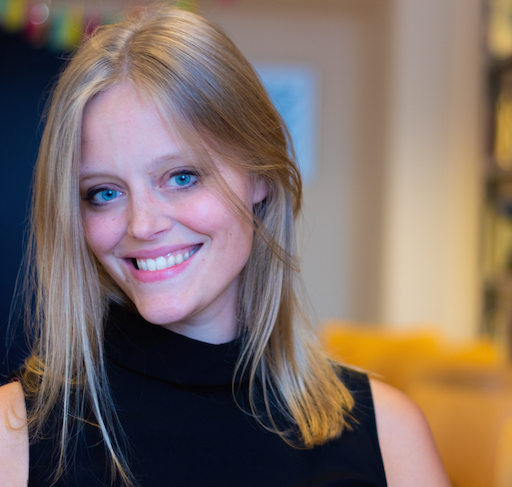
Prof. Dr. Emilie A. Caspar – Lab’s leader
I am an Associate Professor at Ghent University (Belgium). After a master degree in neuropsychology and cognitive psychology and a certificate in forensic sciences and psychiatry, I realized a PhD in social and cognitive neurosciences at the Université libre de Bruxelles (Belgium) with Axel Cleeremans. I stayed at University College London (UK) during one year and a half in the lab of Patrick Haggard and I obtained a Marie-Curie Individual Fellowship to realize a 2-years postdoc at the Netherlands Institute for Neurosciences (NL) with Christian Keysers and Valeria Gazzola.
I developed my main expertise on themes related to obedience to authority: How obedience to an authority changes individual cognition? Why obeying orders impacts moral behaviors? What neuro-cognitive mechanisms play a role in preventing individuals from complying with immoral orders? When approaching those themes, I started working with NGO and non-academics institutions and I started to understand that restricting myself to the WEIRDs will not give me a global overview of the societal impact of my research. I thus started to initiate scientific projects in countries and populations that are never or barely not approached by neuroscientists, such as inmates, military or perpetrators and survivors of a genocide.
I also work as a scientific consultant to offer my expertise in behavioral neuroscience for humanitarian and societal projects (Be Brain Consultancy). I use methods from psychology and neuroscience in order to develop efficient tools to prevent blind obedience and promote peace-building.
Contact: Emilie.Caspar@Ugent.be / BlueSky: @emiliecaspar.bsky.social / Twitter: @CasparEmilie
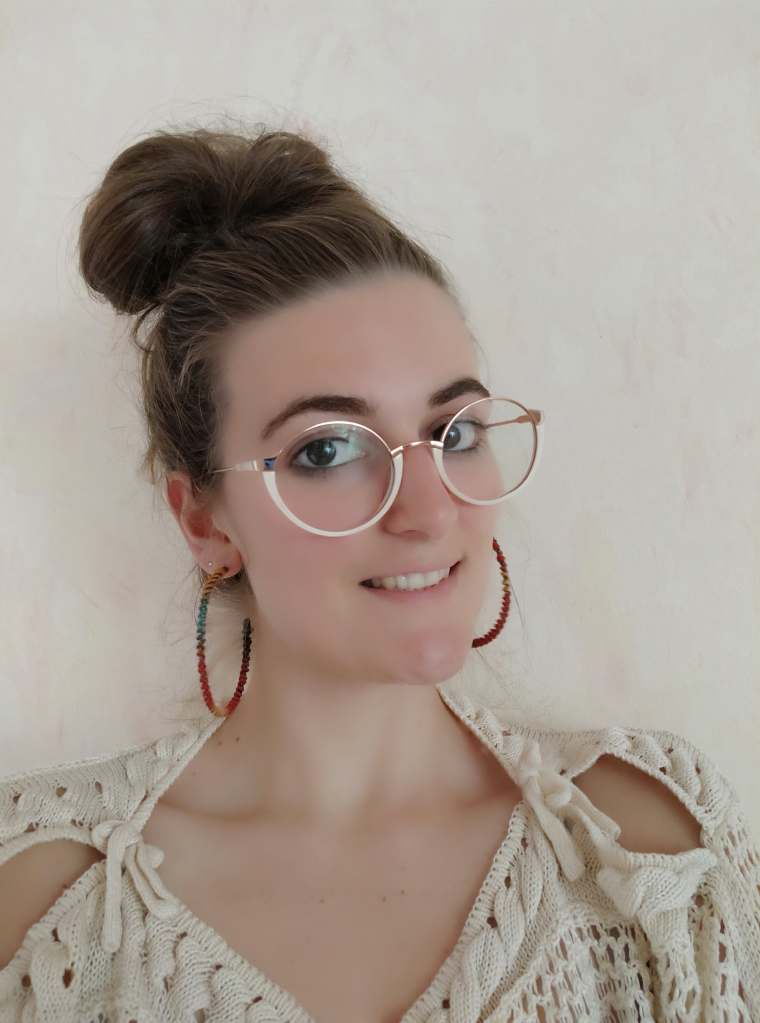
Leslie Tricoche, Postdoctoral researcher
I was graduated from the master of Neurosciences at the University of Lyon (France) in 2018. Then, I obtained a funding by the University of Lyon to realize a PhD in social neurosciences and cognition at the Lyon Neuroscience Research Center (CRNL – Impact team) that was supervised by Dr Denis Pélisson and Dr Martine Meunier. The aim of my phD project was to identify the neural signature of the Social facilitation/inhibition phenomenon and its developmental trajectory by conducting fMRI studies in adults and 10-13 years old children.
By joining Prof. Emilie Caspar’s team for a postdoctoral position, I will continue to investigate the influence of others on our behavior, decision-making, and subjacent brain networks’ activity. Using fMRI, I will particularly focus on military population and the modulation of moral decision-making according to received orders.
Contact: Leslie.Tricoche@Ugent.be
xxx

Nicolas Coucke, Postdoctoral researcher
I graduated from KU Leuven with degrees in philosophy and biomedical engineering, where I focused on the philosophy of mind and neuro-imaging. Next, I pursued a PhD in cognitive sciences at Université Libre de Bruxelles. My dissertation explored social interaction dynamics during collective decision-making, specifically focusing on how group members can integrate their individual viewpoints to jointly reach an informed decision.
At the Moral and Social Brain Lab, I aim to broaden my study of collective decision-making to include moral and affective components. Utilizing neuro-imaging techniques like hyperscanning and neural decoding, I plan to dissect the neurocognitive mechanisms and social interactions that facilitate parties in reaching productive agreements.
The long-term goal of my research is to inform conflict resolution and mediation in challenging social contexts, including post-genocidal reconciliation and restorative justice. I am convinced that a thorough understanding of the brain’s functioning in social interactions can meaningfully contribute to resolving societal conflicts.
Contact: Nicolas.Coucke@Ugent.be
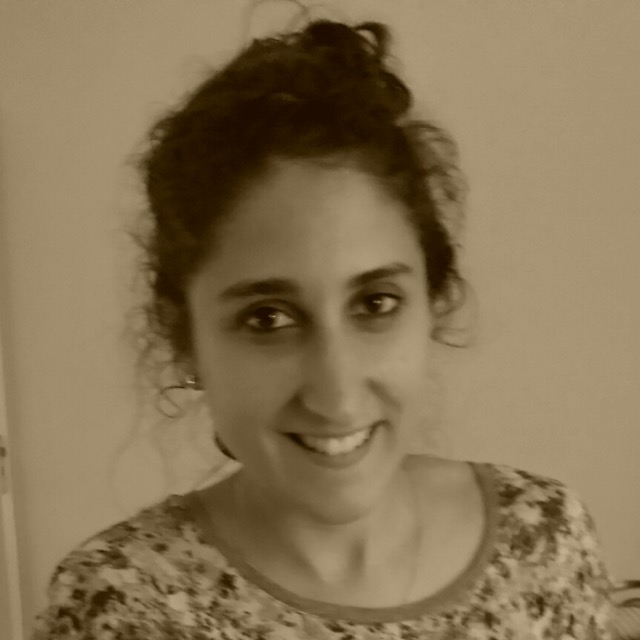
Lola Seyll, Postdoctoral researcher
After completing two master’s degrees, one in neuropsychology and cognitive psychology and another in speech therapy, I pursued a Ph.D. at the Université libre de Bruxelles (Belgium) under the supervision of Alain Content. I also gained clinical experience in Belgium and Africa.
I am joining the Moral & Social Brain Lab as a post-doctoral collaborator. The primary objective of the research is to uncover the neurocognitive mechanisms of disobedience using EEG and fMRI. The secondary objective is to study the impact of trauma on various cognitive functions. To achieve these goals, we will conduct several studies in Rwanda, approaching perpetrators, survivors of a genocide, as well as Righteous individuals. This research project will be carried out in collaboration with a Ph.D. student recruited in Rwanda.
Contact: Lola.Seyll@Ugent.be
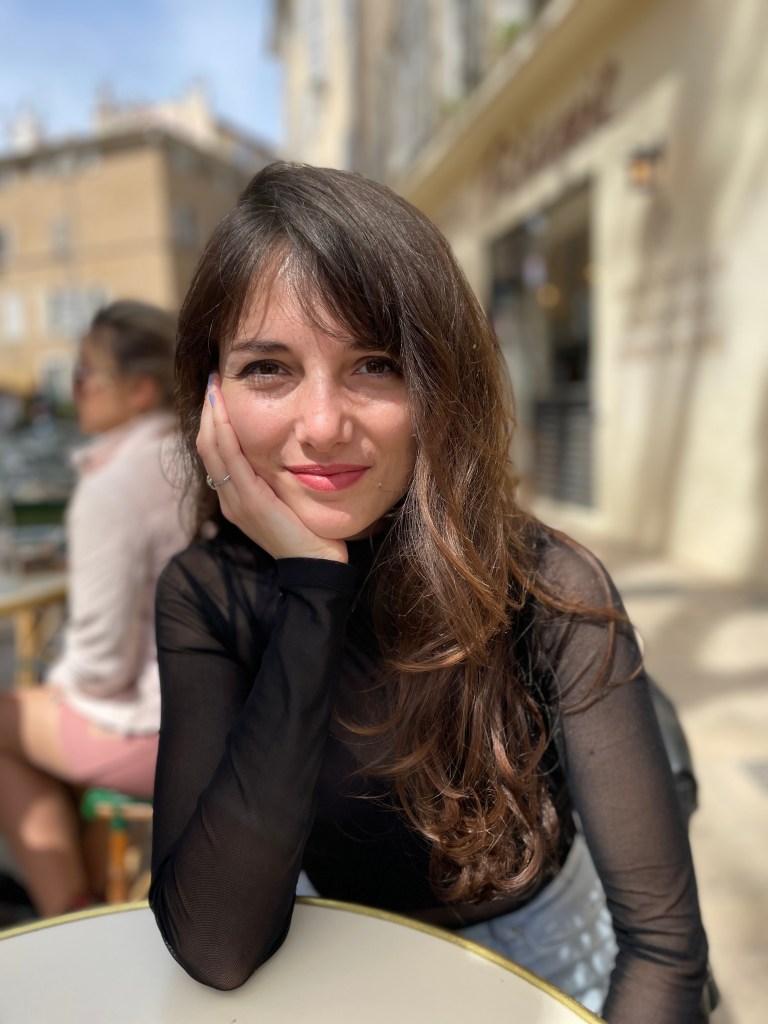
Eva Vives, Postdoctoral researcher
I hold a Master’s degree in Neuropsychology and Cognitive Psychology and a Ph.D. in Psychology from Aix-Marseille Université (France). From 2022 to 2023, I worked as a postdoctoral researcher on the MORALEM project with Dr. Hakim Djeriouat at Université Lyon 2 (France).
Currently, I am a postdoctoral researcher at the MSB laboratory with Prof. Emilie Caspar. My project, YourMorals, which was awarded a Marie Skłodowska-Curie individual grant for the years 2024-2026, explores the impact of mere presence of others on individuals’ moral preferences during conflictual moral dilemmas. This research uses a unique experimental system that mimics social context through face-to-face interactions, employing the hyperscanning (EEG) technique. Additionally, I aim to create a standardized and realistic set of moral dilemmas addressing military, environmental, and medical issues to measure ‘real-life’ psychological processes of moral conflicts.
In parallel to my research activities, I am a member of CORTECS, the pioneering French association dedicated to promoting and educating critical thinking (https://cortecs.org/). I also publish monthly blog entries on my GitHub page (https://evavives.github.io/).
Contact: Eva.Vives@Ugent.be
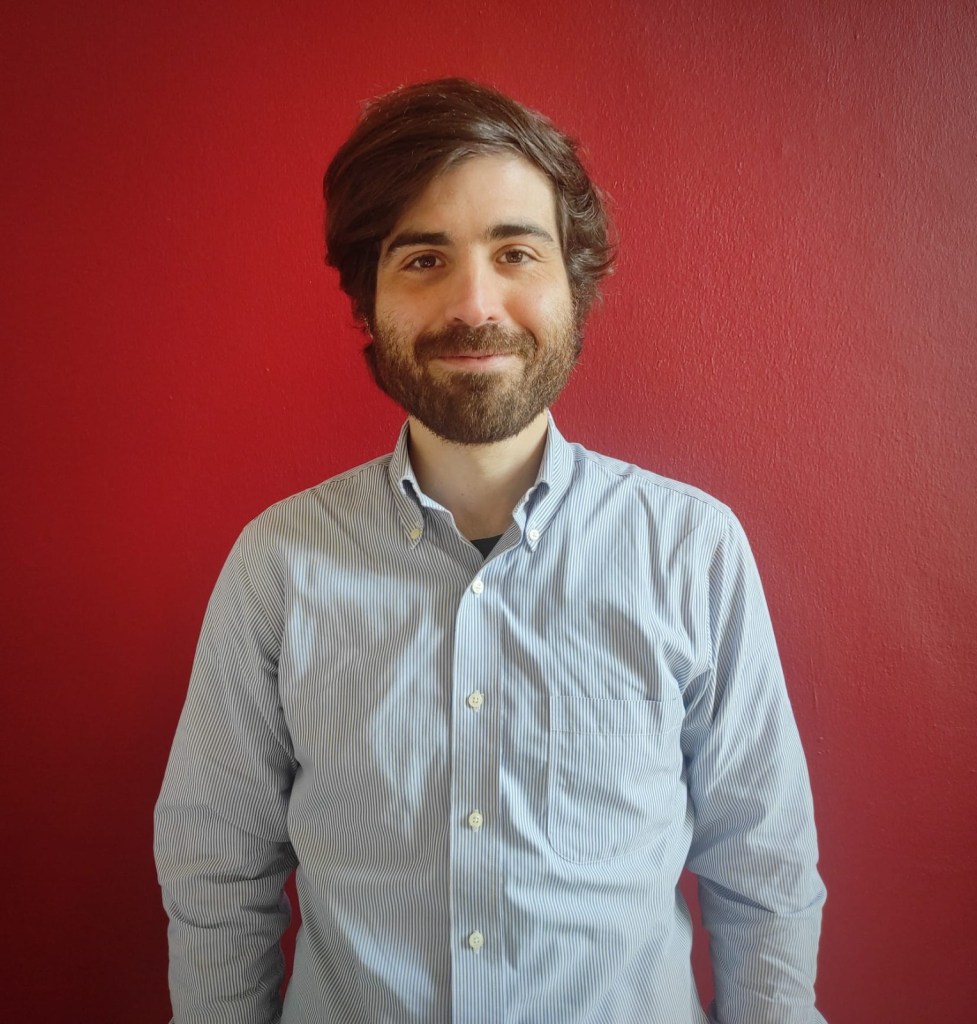
Riccardo Villa, Postdoctoral researcher
After obtaining a master degree in “Sciences of the Mind” at the University of Turin in 2015, I moved to the University of Rome “La Sapienza”, where I joined the Social and Cognitive Neuroscience Laboratory (SCNL) directed by Prof. Salvatore Maria Aglioti. There, I received a Ph.D. in Psychology and Social Neuroscience in 2019. I dedicated my doctoral studies to understanding how information about movement execution and goal achievement influences the Sense of Agency.
In February 2025 I was awarded a Marie Curie Postdoctoral Fellowship, which will allow me to join the Moral & Social Brain Lab in 2026. In my project, THREATENED, I will study how the Sense of Agency is impacted by external threats, and whether self-defense modulates feelings of control over one’s own actions.
In parallel with my career as a researcher, I am also a licensed psychologist, and I will soon complete my training to become a psychotherapist. During my future postdoctoral experience at the Moral & Social Brain Lab I also aim to deepen my understanding of the psychological experience of victims of violence and hopefully develop new ways to help them in clinical settings.

Alisha Vabba, Postdoctoral researcher
I obtained my PhD at Sapienza University of Rome in the Social and Cognitive Neuroscience Laboratory (SCNL) led by prof. Salvatore Maria Aglioti, focusing on how corporeal representations shape self-awareness and ultimately determine social and moral behaviour.
During a two-year postdoctoral position at the Italian Institute of Technology (IIT), I used immersive virtual reality (IVR) and psychophysiology to investigate moral interactions with organized crime, focusing on corruption and prosocial collective action against mafia-type crime.
I am joining the Moral and Social Brain Lab as a postdoc on a three-year BOF fellowship grant. I will combine the use of IVR with neurophysiology to investigate what happens in the brain when prison guards witness violent misconduct by colleagues and must decide whether to intervene or blow the whistle. I will focus on specific cognitive processes such as the sense of agency, empathy, and cognitive conflict in decision-making. Part of the research will be conducted in collaboration with VRLAB at Macquarie University in Sydney.
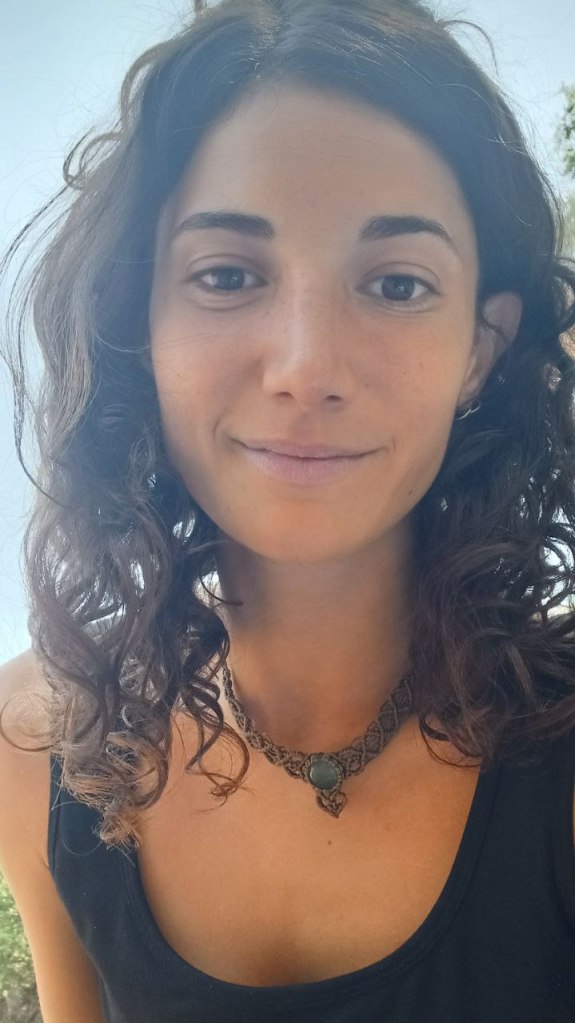
Kalliopi Ioumpa, Postdoctoral researcher
After completing a Master’s degree in Cognitive Neuroscience at Radboud University I proceeded with a Ph.D. at the Social Brain Lab of the Netherlands Institute for Neuroscience, Royal Academy for Art and Science under the supervision of Prof. Valeria Gazzola and Prof. Christian Keysers. My Ph.D. research focused on the neural mechanisms of empathy, social decision making and on the impact that hierarchy has on these processes. Next to my scientific background I have an education in Fine Arts and Design from the Gerrit Rietveld Academy in Amsterdam (BSc) and training as a person centered counselor and play therapist. I am particularly interested in artistic research and interdisciplinary collaborative efforts.
Within the Moral and Social Brain Lab I will focus on how different contextual parameters (stress, framing) and individual differences (empathy, vicarious pain responsiveness) influence (dis)obedience using behavioral and EEG methodologies. In parallel, I am to develop a line of research that explores the impact of art experiencing on social cognition and helping behavior while collaborating with museums, galleries and prisons.
Contact: Kalliopi.Ioumpa@Ugent.be
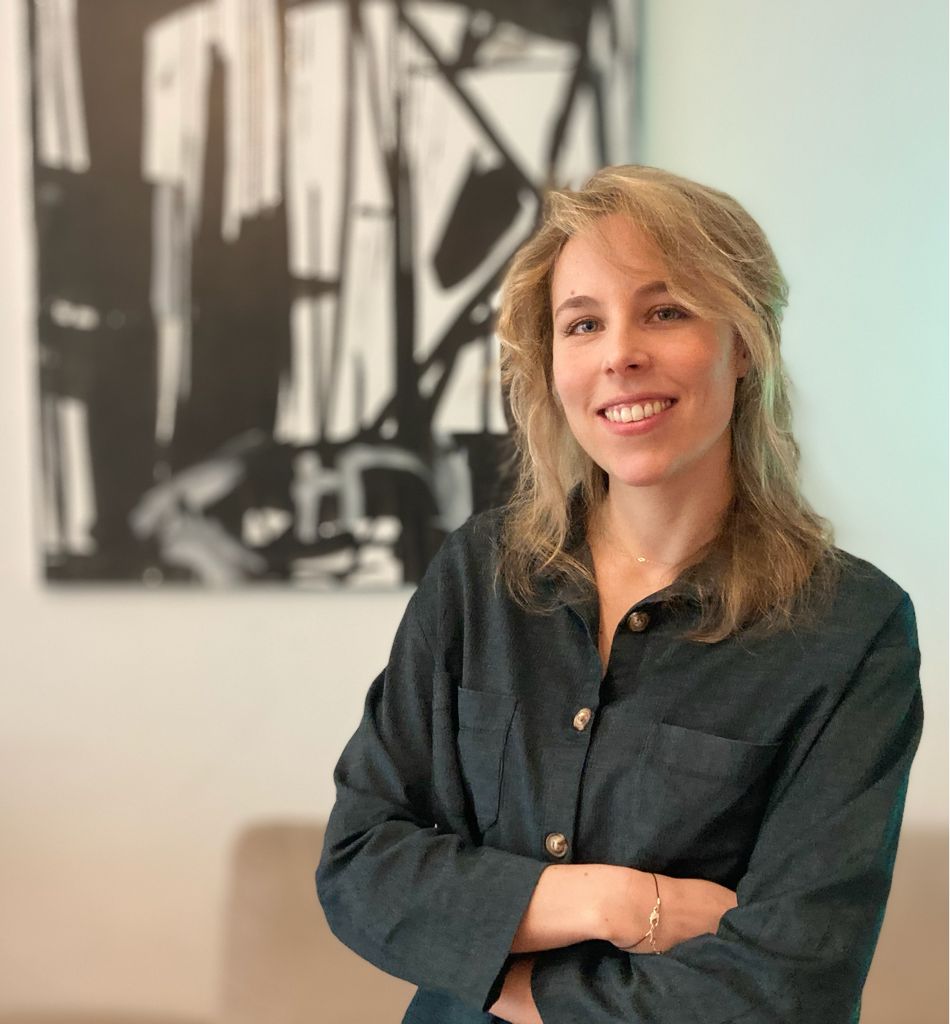
Elodie Kox, Ph.D. student
After my law studies, I worked as a lawyer at the Brussels Bar for several years. Interested in the creations of the mind and in human cognition in general, I have always been interested in understanding human behaviors and interactions better and thus, in parallel to my work, I started a new degree in psychology.
My research focuses on the influence of prison on individuals (inmates and prison guards). More specifically, the main aim of my PhD is to investigate the potential influence of restrictions in the possibilities of choice of action arising from the coercive nature of prison on two specific cognitive processes related to decision-making: The sense of agency and empathy for pain.
Contact: Elodie.Kox@Ugent.be
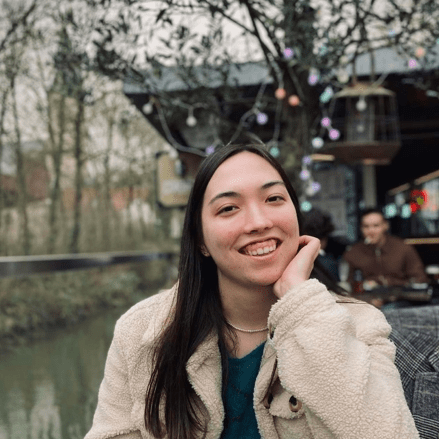
Tilia Linthout, Ph.D. Student
In 2022, I completed my master’s in theoretical and experimental psychology at Ghent University (Belgium). During my master’s I realized that I want to do research where I can help improve, change, and impact societally relevant problems. Luckily, I came in touch with two professors who share the same vision and I am now a Ph.D. student under the supervision of Prof. Dr. Pieter Van Dessel (LIP Lab) and Prof Dr. Emilie Caspar.
During this Ph.D., the primary goal is to develop new interventions to help solve current problems related to the prison environment and the prisoners’ behavior. In one project, we focus on developing an intervention aimed at improving impulse control among prisoners. We will test this intervention across various contexts, namely online, in the lab, and eventually in prison where there is a high demand for such intervention. In a separate project, we are building an intervention to reduce the stigmatization of prisoners among prison guards. I aim to collaborate with experts in the field, such as prison directors and guards, and to actively engage them in the development of the interventions.
Contact: Tilia.Linthout@Ugent.be/ Twitter: @LinthoutTilia
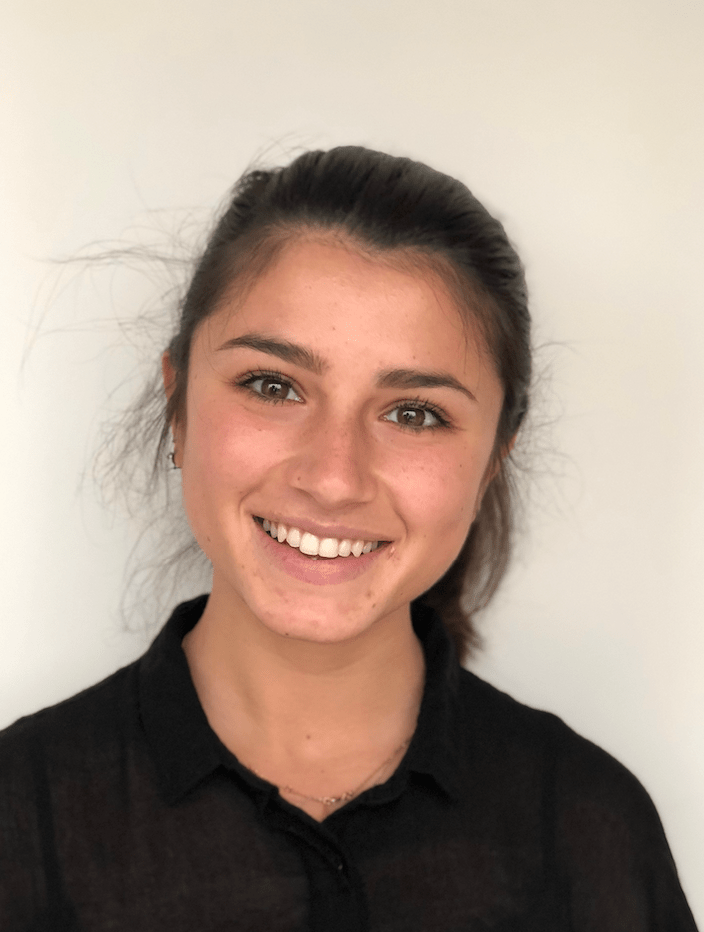
Victoria Rambaud, Ph.D. student
In 2022, I graduated with a master’s degree in Brain and Mind Sciences, from University College London (UCL) in collaboration with La Sorbonne and Ecole Normale Supérieure (ENS) in Paris. As a student, I aspired to uncover the cognitive processes that underly decision-making in a social environment. In addition, I always hoped to work in an interdisciplinary research environment, where I could investigate the impact of society and political decisions on the human brain. Happily, I met Prof. Emilie Caspar, with whom I shared my perspective and research interests.
As a PhD student at the Moral & Social Brain Lab, my research focuses on the long-term impact of incarceration on cognitive processes. More specifically, it is an interdisciplinary neuro-criminological study, co-supervised by Prof. Tom Vander Beken (CESSMIR, Ghent University), investigating the neuronal correlates of executive functions implicated in social behaviors in a population of inmates. We hope to find in this longitudinal study that the perceived quality of life and degree of freedom in prison relates with the degree of self-control amongst inmates.
Contact: victoria.rambaud@ugent.be
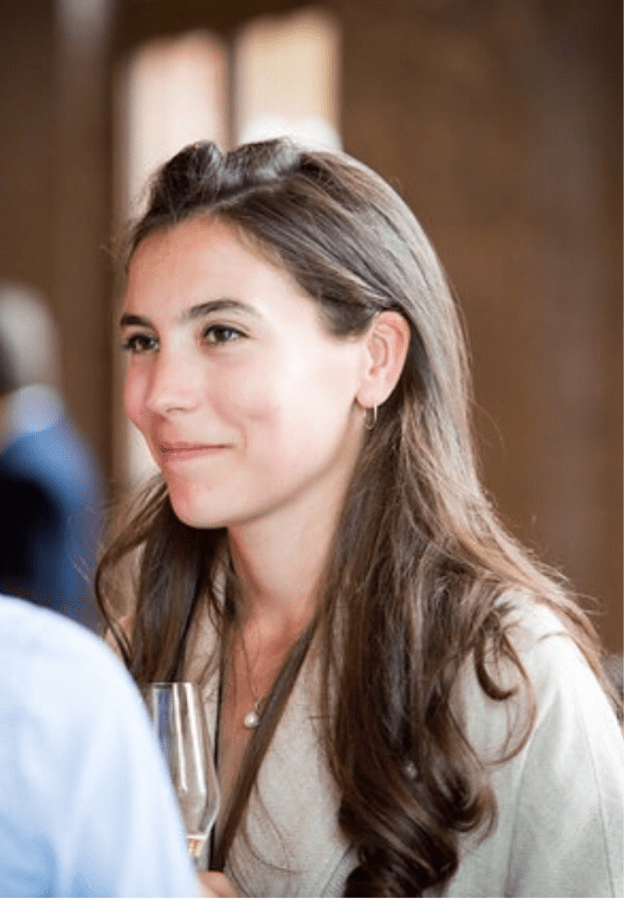
Ilke Veeckman, Ph.D. student
After finishing my Master’s in Criminology at Ghent University I decided to deepen my interests in research and forensic psychology and pursue a postgraduate degree in Investigative and Legal Psychology at UNICRI (Turin), in collaboration with Åbo Akademi (Turku). With a mostly theoretical background, I focused on gaining practical experience and started working in forensic psychiatric institutions in Belgium and the Netherlands, nevertheless keeping a strong focus on research, by combining my employment with a Master’s in Sociology (University of Antwerp) and a part-time research function.
This lead to my current position as a PhD researcher under the co-supervision of Prof. Dr. Emilie A. Caspar of the Moral and Social Brain Lab, and Prof. Dr. Tom Vander Beken and Dr. Louis Favril of the Department of Criminology, Criminal Law and Social Law. Together with Victoria Rambaud, we will perform a neuro-criminological study, assessing the impact of prison environment on inmates’ self-control, during and after detention, and describing the way different prison regimes, trajectories and release relate to changes in self-control. The project’s interdisciplinary nature allows for a combination of the methodological strengths and focus of neuroscience and criminology.
Contact: Ilke.Veeckman@Ugent.be
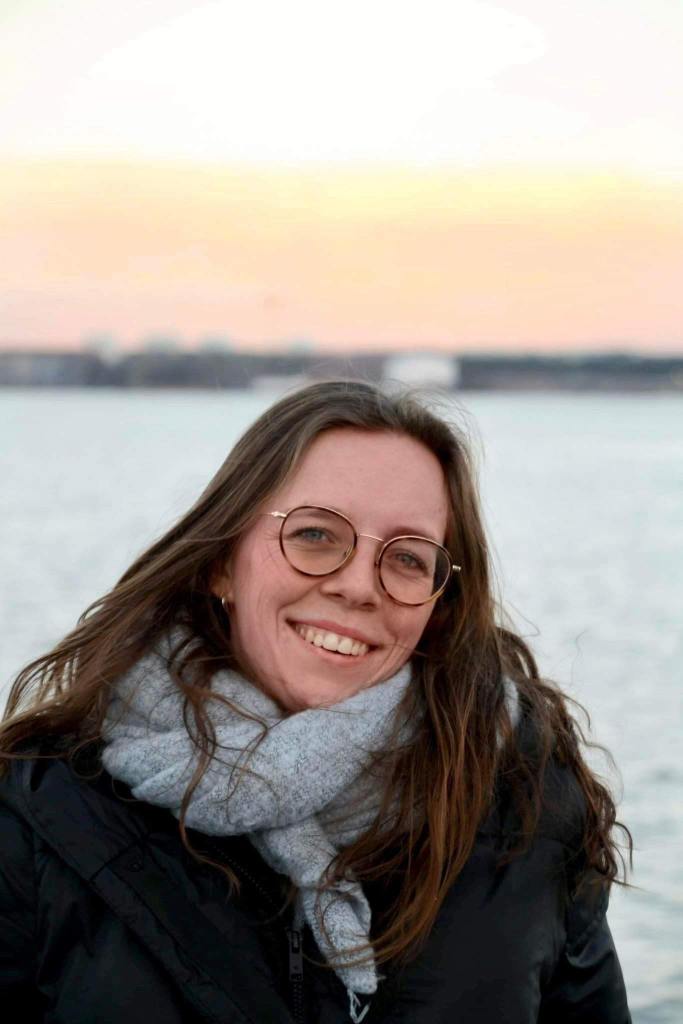
Louise de Meulenaer, Ph.D. student
In 2023, I graduated with a master’s degree in Experimental Psychology from Ghent University. I always had a deep passion for neuroscience and social psychology. During my studies I have enjoyed discovering international research connections, and am very interested in interdisciplinary research and innovative topics. I now want to pursue in my own research as a PhD student in the Moral & Social Brain Lab.
The next few years, I will work on resistance to disobedience. The aim of this project is to help uncover why some people disobey immoral orders while others do not. This research could be very useful for future interventions.
Contact: louise.demeulenaer@ugent.be
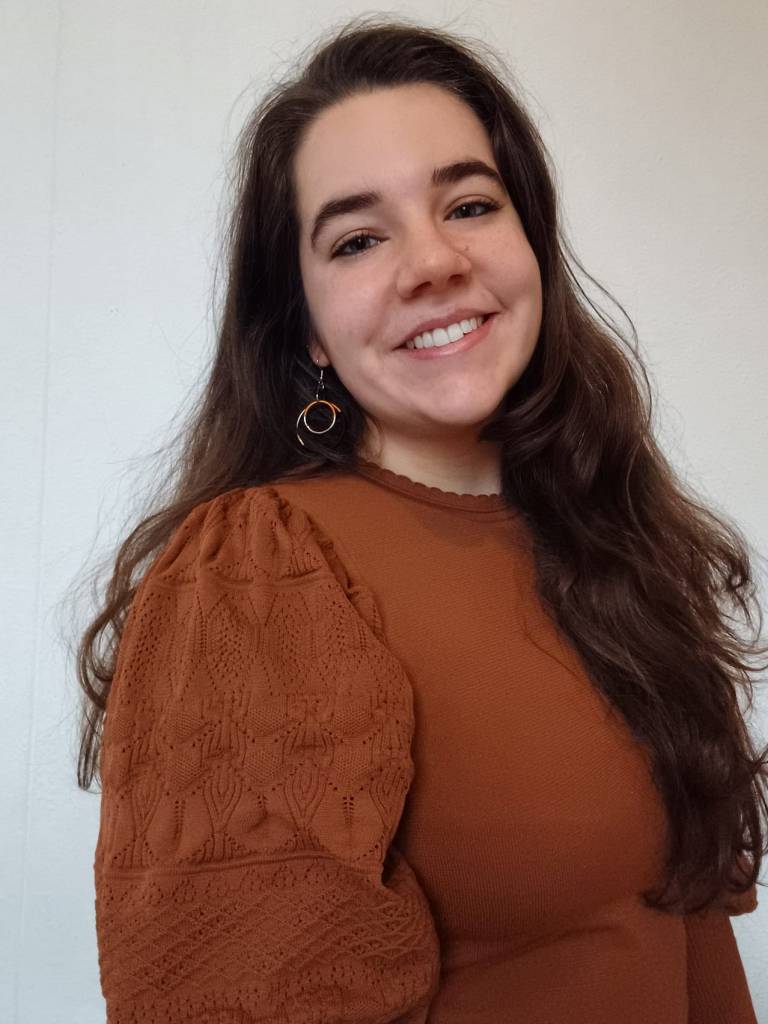
Evelyne Fraats, Ph.D. student
In 2023, I received my master’s degree in Brain and Cognitive Sciences from the University of Amsterdam (the Netherlands). I have focused on neuroimaging and affective neuroscience during my education. I highly value interdisciplinary research and always aim to benefit society as a whole. My viewpoint is critical yet realistic, and I enjoy sharing my experiences on LinkedIn through little blogs.
From January 2024 onwards, I pursue a PhD under the supervision of Prof. Dr. Emilie Caspar and Prof. Dr. Michael Nitsche (Leibniz Research Center for Working Environment and Human Factors). My research will focus on the neurocognitive mechanisms that support resistance to immoral orders. Using neuromodulation and EEG, I will investigate the causal relationship between prosocial disobedience and certain neurocognitive processes, such as empathy for pain and sense of agency. I am excited to use my knowledge of social neuroscience and neuroimaging methods to address this important topic, and I look forward to sharing the results with the broader public.
contact: Evelyne.Fraats@Ugent.be / http://www.linkedin.com/in/evelynefraats
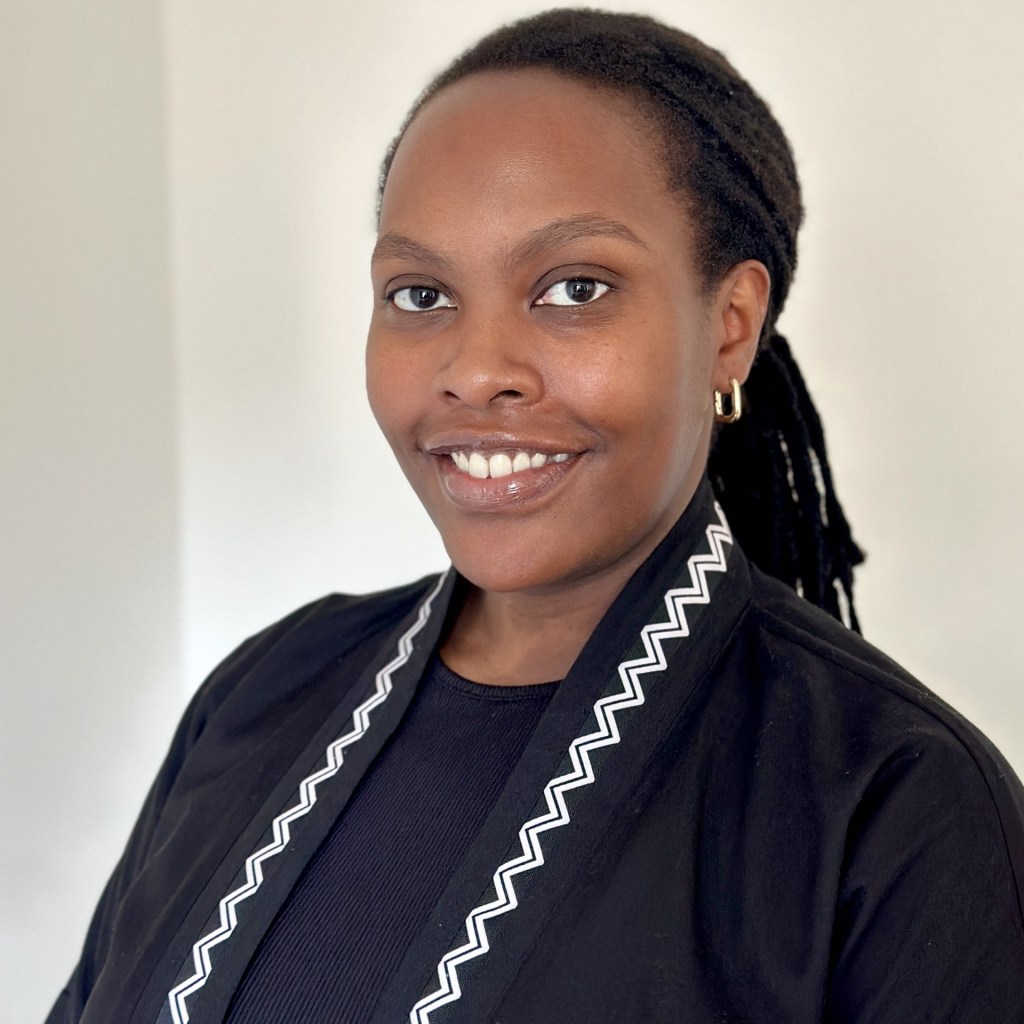
Pauline Atete, Ph.D. student
Pauline Atete BioI graduated in 2023 with a Master’s degree in Clinical Psychology, specializing in psychotherapy and a background in Neuropsychology, at the University of Warsaw – WISP (Poland). During my Master’s research program, I focused on the 1994 genocide against Tutsi in Rwanda and the social identification of post-genocide youth as Rwandans. Under the supervision of Prof. Michał Bilewicz, we explored the effects of moral exemplars awareness on common ingroup identification and reconciliation in post-genocide Rwanda ( onlinelibrary.wiley.com/doi/abs/10.1002/crq.21399 ).
Currently, I am pursuing a Ph.D. in psychology at both Ghent University and University of Rwanda. I aim to explore the aftermath of the 1994 genocide against Tutsi in Rwanda and examine how the trauma alters neuro-cognitive functions and the impact it has on the post-genocide generation. I am particularly interested in exploring the psychological interventions implemented for survivors and how they contribute to fostering a more reconciled society. I am passionate about understanding the complexities of trauma and reconciliation. By empirically studying the effects of existing interventions and the effects of trauma on neurocognitive functions, we can pave the way for the creation and implementation of novel strategies that can be utilized in various other conflict-affected regions.
Contract: paulineatete135@gmail.com
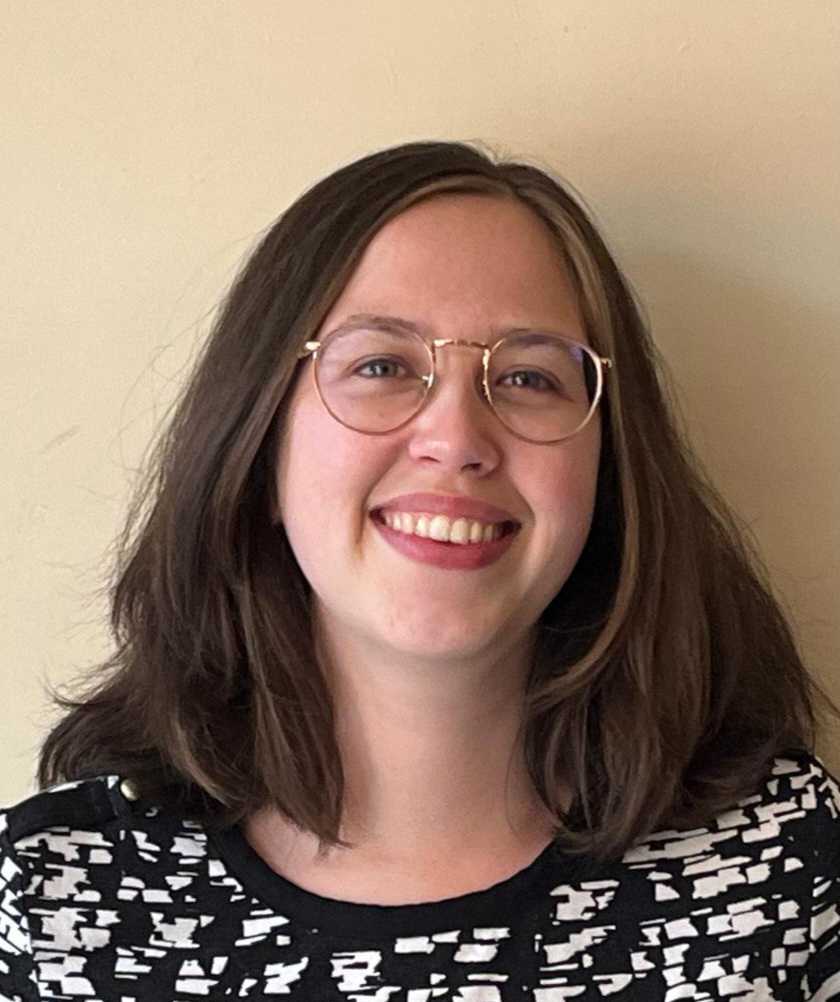
Luna Leonardy, Ph.D. student
In 2023, I graduated with a master’s degree in Neuropsychology from the Université Libre de Bruxelles (ULB) and then completed a master’s degree in Statistical Data Analysis at Ghent University (UGent). As my interest in cognitive and neurocognitive sciences grew, I concentrated on gaining knowledge and experience in different research topics within the field. I attach particular importance to interdisciplinary research and good statistical practices.
I am now back at the Université Libre de Bruxelles pursuing a PhD under the supervision of Prof. Axel CLEEREMANS (CO3) and Prof. Emilie CASPAR (M&SB lab). My research focuses on “Aha!” or “Eureka” moments, also called insight problem solving, and aims at understanding the cognitive processes underlying problem solving. I will investigate these processes with a new muti-step problem paradigm and an approach integrating knowledge from numerous research subjects, such as attention, consciousness and social psychology. To investigate insight problem solving, I will employ techniques, both behavioural and (neuro-)physiological, drawn from various disciplines within the cognitive sciences.
Contract: Luna.Leonardy@ulb.be
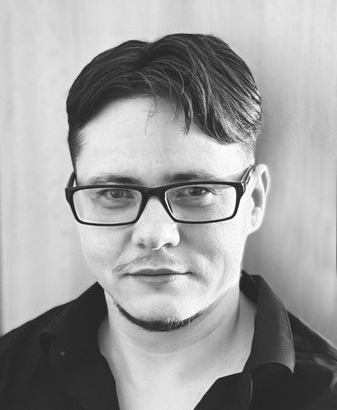
Kai Shaman, Ph.D. student
In 2024, I graduated from the master’s programme of the Berlin School of Mind and Brain. I joined that programme after finishing my previous master’s in sociology because I wanted to understand human social behaviour on a deeper biological level. I am particularly interested in the neural basis of social hierarchy and intergroup behaviour (including topics like dominance, obedience, prejudice, stereotyping, intergroup biases, justice sensitivity, and system justification).
Currently, I am lucky to be joining the Moral & Social Brain Lab to work on a project that investigates moral decision making in the hierarchical context: why people obey or resist immoral orders to harm others—in particular, how this (dis)obedience is impacted by situational factors. The factor that the project is mainly focusing on is fatigue, both cognitive and physical. We want to understand how fatigue influences the neurocognitive mechanisms that underlie resilience against destructive obedience, and, ultimately, whether this resilience can be improved with training.

Sofia Diaz Villamil, Ph.D. student
In 2023, I graduated from Ghent University with a master’s degree in Theoretical and Experimental Psychology and began pursuing a master’s degree in Statistical Data Analysis. Since the start of my studies, I have developed a deep passion for research. As my experience and knowledge have grown, I have come to realize the importance of extending the impact of research beyond academic publications to address real societal problems. This goal has shaped my interests ever since and inspired me to create my current research project, Minds in Conflict.
During my PhD, I will work under the joint supervision of Prof. Emilie Caspar and Prof. Alison Mary (UR2NF). The project will focus on the emotional and non-emotional processing of victims and perpetrators of the Colombian Internal Armed Conflict, as well as the subsequent generation, which has not been directly exposed to the conflict. In this way, I aim to study the effects of trauma exposure and PTSD on cognitive functioning, as well as the transmission of trauma and cognitive biases to future generations. This project will help address the gap in research on PTSD and trauma exposure in non-WEIRD populations, and bring more depth to the dialogue of trauma in conflict zones.
contact: sofia.diazvillamil@ugent.be
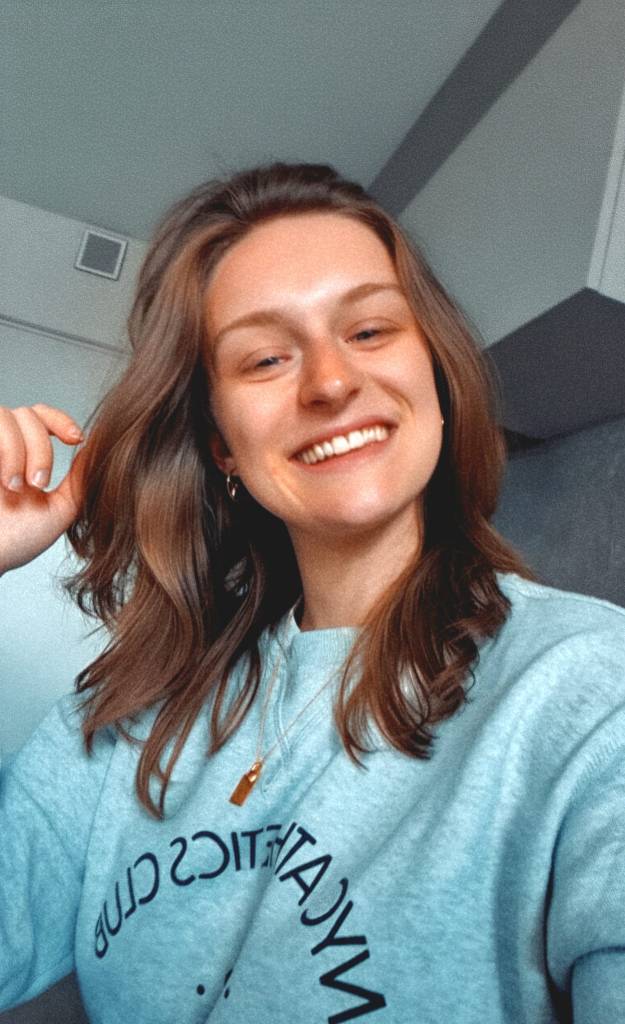
Noémie De Vlaminck, Ph.D. student
In 2025, I completed my master’s degree in experimental and theoretical psychology at the University of Ghent. I have a strong interest in psychology, neuroscience and innovative technology. As a researcher, it is my goal to integrate these interests in societally relevant research and explore how technological advancements can impact our brain, behavior and social interactions. Moreover, I am eager to gain more experience with neuroimaging and electrophysiological techniques.
During my PhD, my research is part of the ERC advanced grant project VIGILIA, focusing on developing innovative AI-based methods to address the challenges of misinformation and disinformation. Under the supervision of Prof. Dr. Tijl De Bie (AIDA – IDLab UGent) and Prof. Dr. Emilie Caspar, I can combine my background in psychology, knowledge of cognitive biases, and growing experience with AI tools to uncover the true potential of large language models and their role in misinformation.
Contact: noemie.devlaminck@ugent.be
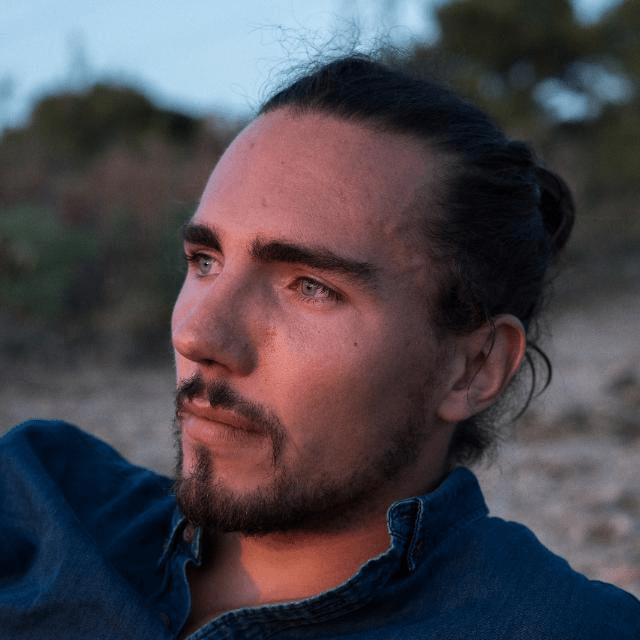
Guillaume Pech, visiting Ph.D. student
I graduated from the master in cognitive sciences at the University of Lyon Lumière 2 (France) in 2021. Then, I had the opportunity to work as a research assistant during 8 months at the Université Libre de Bruxelles with Prof. Emilie CASPAR (M&SB lab). We conducted projects investigating several processes related to decision-making, such as the sense of agency, empathy for pain and cognitive conflict using EEG. We approached rare populations such as inmates, military, and former perpetrators and survivors of the genocide in Rwanda. In 2022, I had the honor to receive a 6-month predoctoral fellowship offered by the Neurophilosophy of Free Will for the project ‘Does the Readiness Potential reflect action initiation or uncertainty?’.
I am now a PhD student under the supervision of Pr. Axel CLEEREMANS (CO3) and Pr. Uri MAOZ (Brain Institute). My research focuses on the neural markers of volition, with a specific interest in the Readiness Potential. In a broader sense, my topic of interest is to investigate how to model decision-making and how these findings can feed the debate on free-will. I also plan to collaborate with the M&SB lab for projects involving social and moral decision-making.
Contact: guillaumepech.cog@gmail.com
FORMER LAB MEMBERS

Anh Le, visiting Ph.D. student in 2024

Giulio Piperno, visiting Ph.D. student in 2024
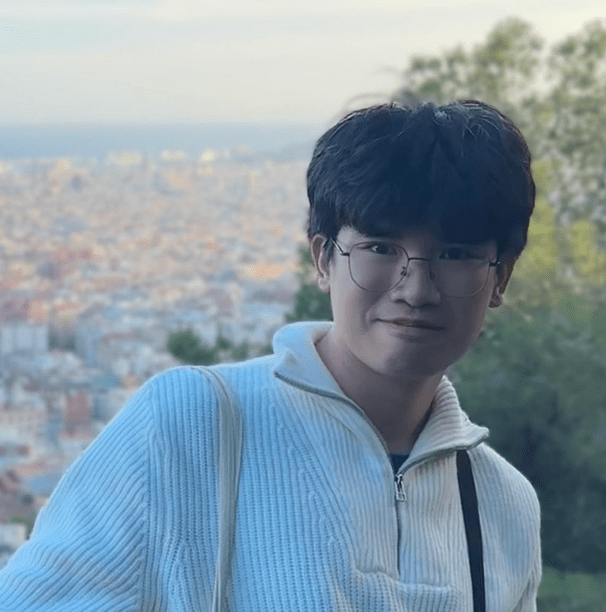
Jie Liu, visiting Ph.D. student in 2025
 moralsocialbrain.com