
The Moral & Social Brain lab
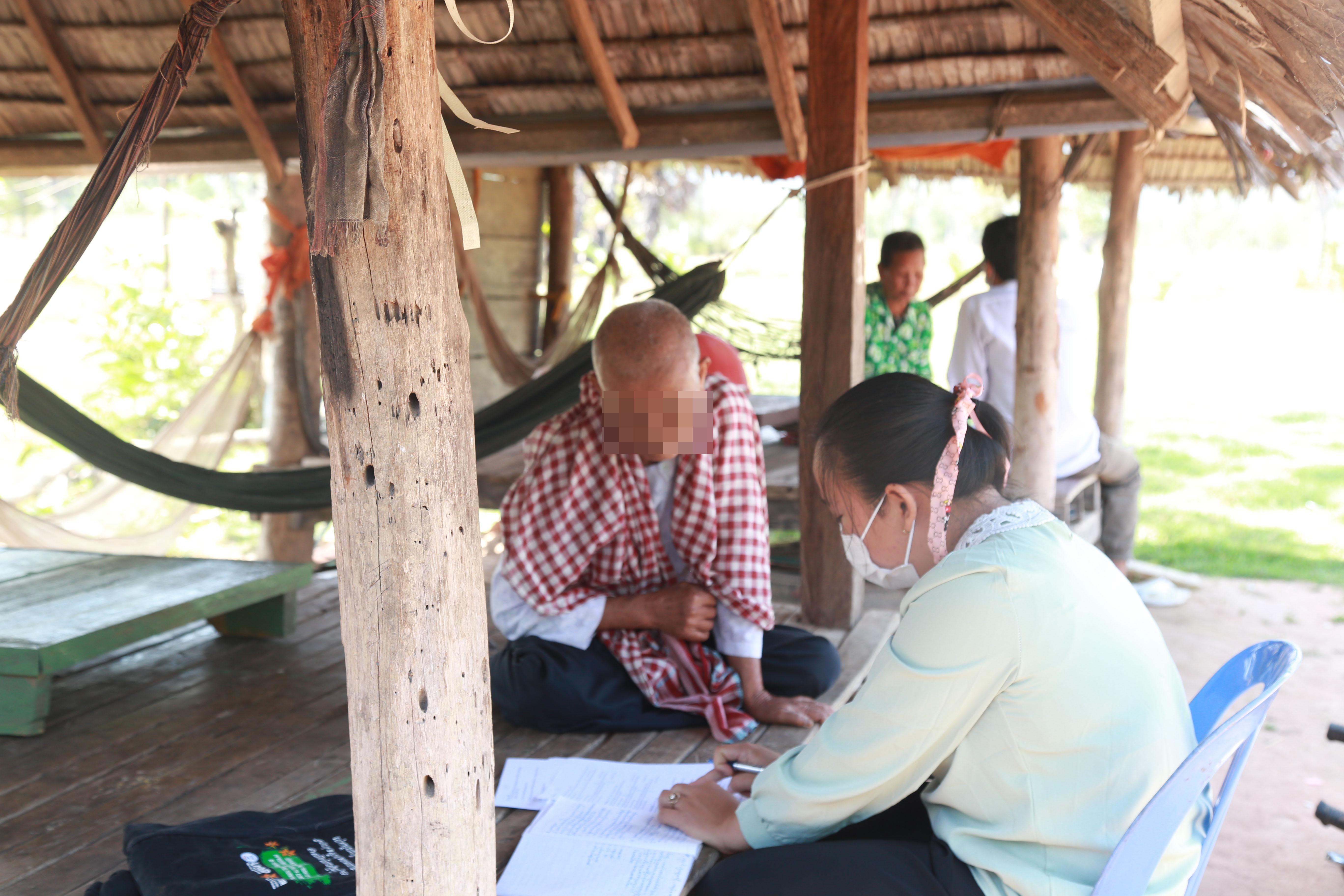
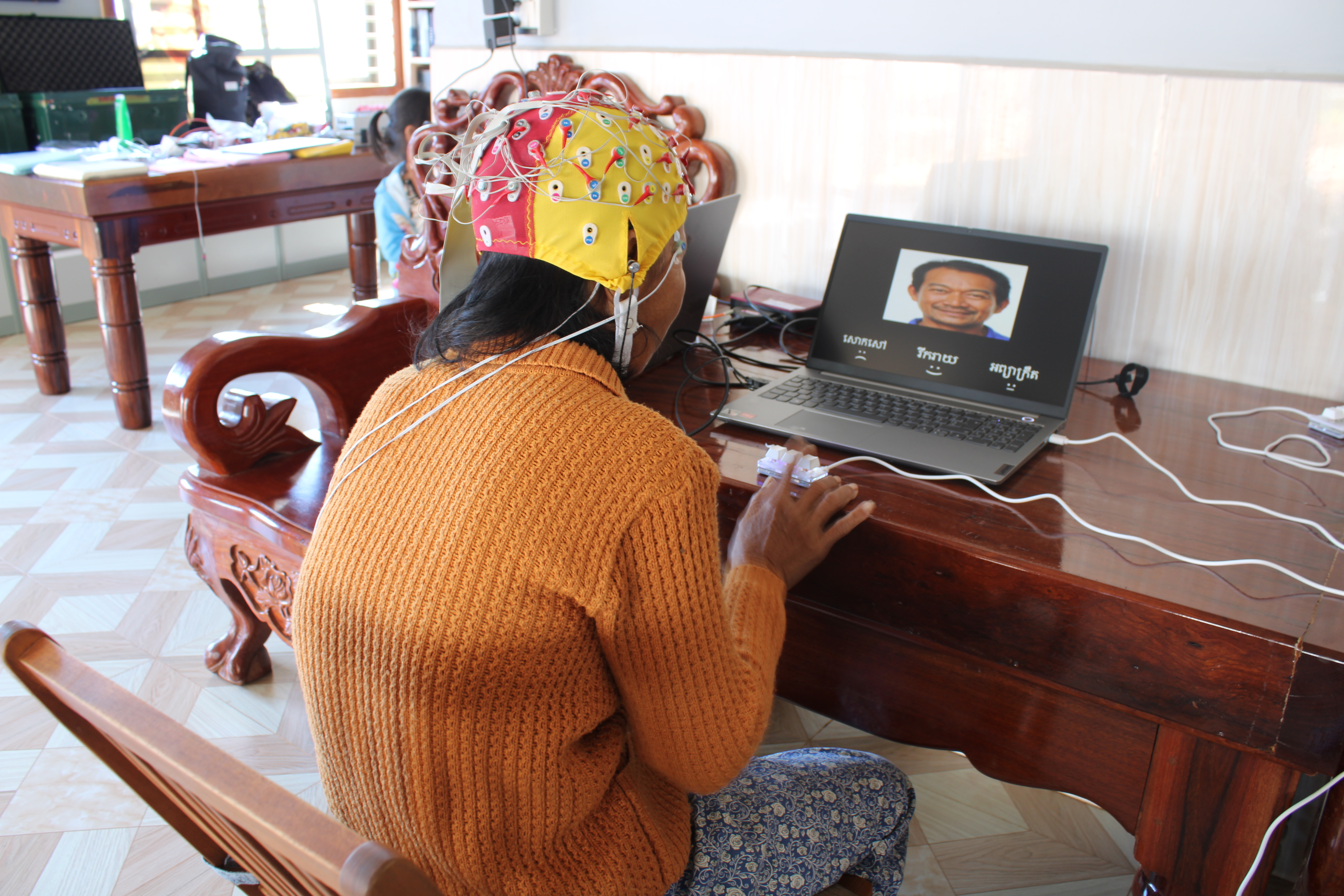
Our main mission is to uncover the neural basis of (im)moral behaviors. To achieve this, we use a variety of experimental approaches, ranging from moral dilemmas to naturalistic and real-life behaviors. We investigate diverse neurocognitive and affective processes such as empathy for pain, the sense of agency, interpersonal guilt, and moral conflict, as well as their modulation by various forms of social influence, including obedience to authority and group conformity. A key distinctive feature of our lab is that, rather than limiting our research to standard convenience samples within traditional lab settings, we strive to enhance both the external and ecological validity of our work. Traditionally in neuroscience, we test what are known as ‘WEIRD’ participants (i.e., those who are Western, Educated, Industrialized, Rich, Democratic), primarily in Europe or North America. This approach, however, leaves us with limited insight into whether the theories we formulate apply to diverse populations, particularly since we know that culture can shape our brains. Therefore, in our lab, we strive to collaborate with populations often disregarded in neuroscience, aiming to gain a more comprehensive understanding of human cognition and behavior. We do so by studying individuals who are underrepresented in scientific research or who have had unique life experiences. Notably, some of our projects involve former genocide perpetrators and survivors (in Rwanda and Cambodia), inmates and ex-inmates, military personnel, and genocide rescuers.
We also study the consequences of immoral actions. Following a genocide, a war, or any dramatic conflict or event, desolation is often what remains. The surviving victims grapple with psychological trauma and, in some cases, permanent physical disabilities. This trauma also extends to their relatives who, witnessing the suffering of their loved ones, may feel powerless to help. It can even pass on to their children and grandchildren, who may inherit the sequela of their parents’ trauma both through genetics and social transmission. Even those who perpetrated these actions, perhaps claiming reduced responsibility in an attempt to escape legal repercussions, are unlikely to avoid the psychological repercussions. They must confront the mental toll of their actions or orders, potentially experiencing post-traumatic stress, guilt, and shame. These feelings can contribute to long-term mental health issues. Our research thus extends to understanding how both affective and non-affective brain alterations can persist years after such traumatic events, and how they may influence subsequent generations in terms of their mental health and prejudiced attitudes towards others. Such projects are notably conducted in Rwanda, Cambodia, and Columbia, to avoid western-centered conclusions.
Our current works include the following research questions:

What neuro-cognitive mechanisms play a role in preventing individuals from complying with immoral orders?
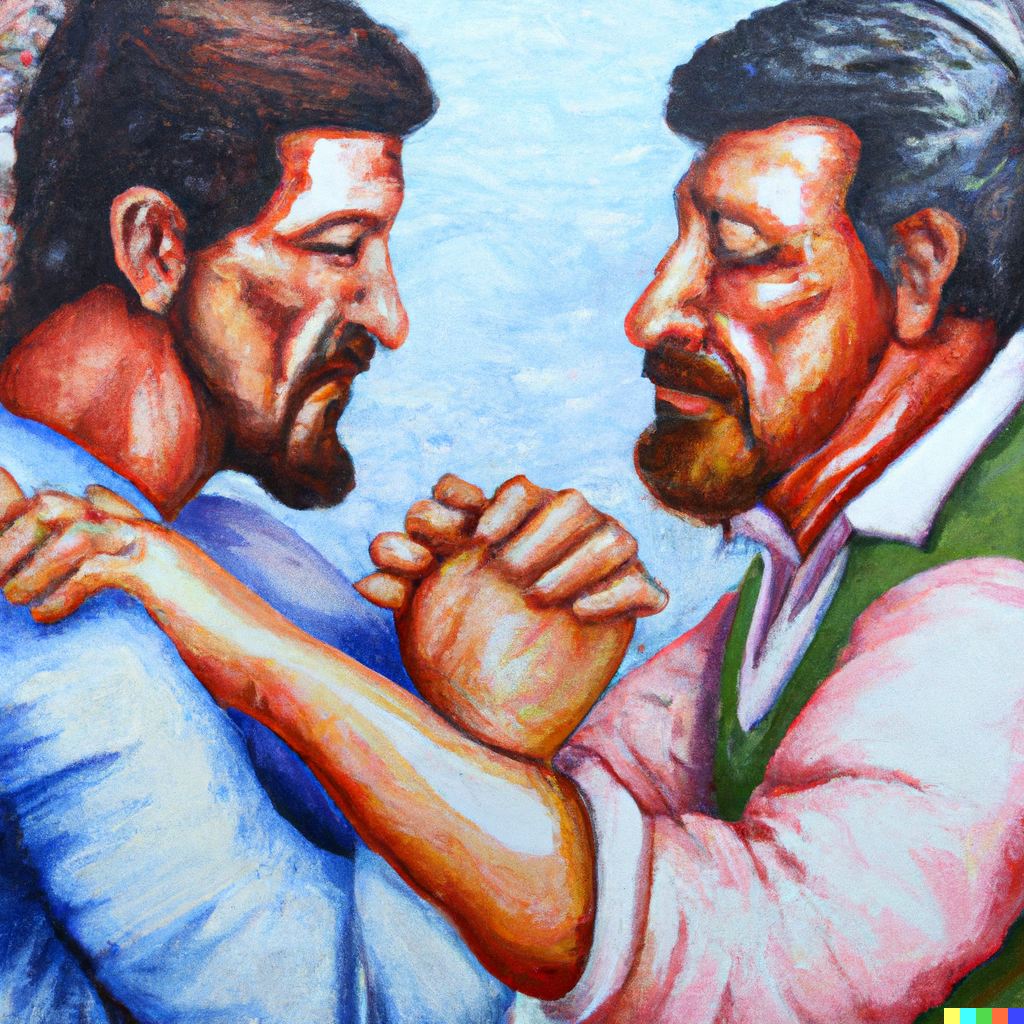
Can we develop efficient tools to reduce radicalized behaviors and prejudice attitudes?

What are the neural basis of the sense of agency, of the feeling of responsibility and of the feeling of guilt?

Can brain-to-brain synchrony predict prosocial attitudes?
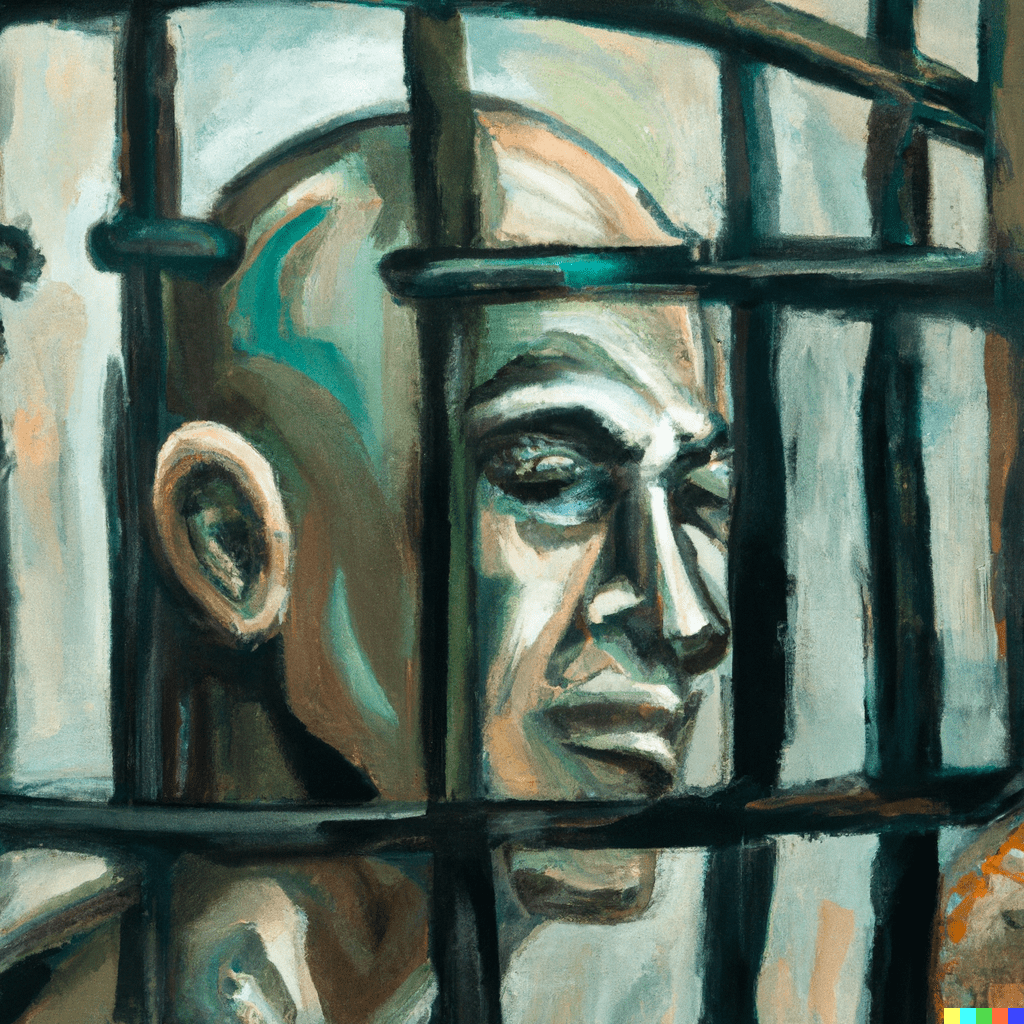
How does being in prison impact neuro-cognitive processes involved in decision-making?
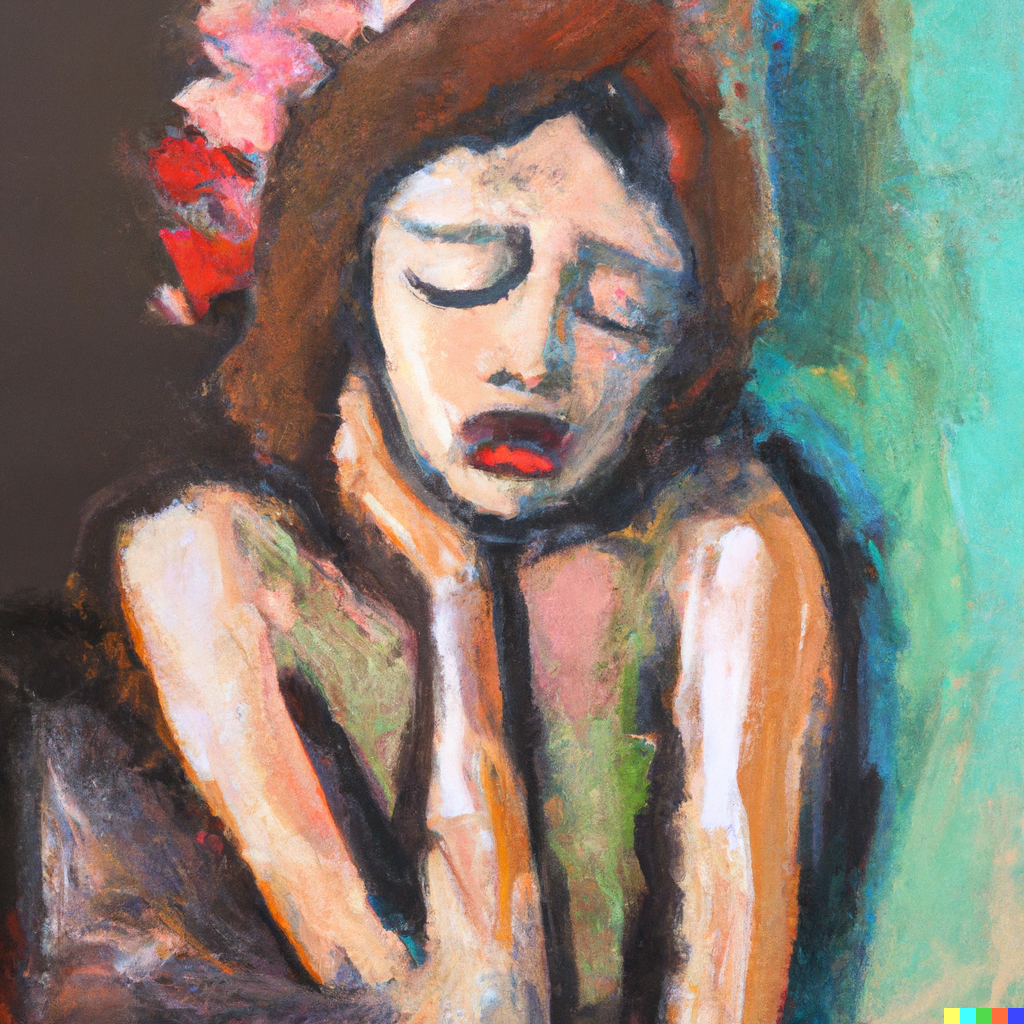
How is a trauma due to a genocide transferred to the next generation individuals and how does it impact social cognition?
Our research methods are rooted in cognitive and social neurosciences, utilizing a combination of EEG, (f)MRI, and behavioral measurements. However, we do not limit our methodologies solely to neuroscience and cognitive psychology. We highly value interdisciplinarity in addressing our research questions and currently collaborate with researchers from a wide range of scientific disciplines, including Sociology, Philosophy, Social Psychology, Engineering, Robotics, Law, and Criminology. Owing to the high societal relevance of our work, our collaborations extend beyond academia. We actively partner with NGOs, international and local associations, as well as policymakers, such as the Radio La Benevolencija Humanitarian Tools Foundation, Prison Fellowship Rwanda, Breaking The Silence, and the Documentation Center Cambodia. We firmly believe that this fusion of interdisciplinary research and collaboration with both academic and non-academic institutions is instrumental in creating meaningful scientific approaches and gaining a comprehensive understanding of the societal, historical, and human contexts surrounding our projects.
Finally, the lab is strongly committed to transparent research and open science practices. For the past two years, all projects have been required to be pre-registered and made publicly available prior to data collection. In addition, all data and code are shared openly to ensure reproducibility and transparency.




If you are interested in our research topics, don’t hesitate to get in touch with us for a Ph.D. thesis or a Postdoc or scientific collaborations and join the adventure!
Facilities
The Moral & Social Brain lab is equipped to integrate research in humans but also to conduct field research across the world. For this purpose, the lab has the following equipment:
- Portable EEG systems (adapted to hyperscanning recordings as well)
- 3T-MRI scanner
- tDCS/TMS
Selected publications
Caspar, E.A (2024). Understanding Individual Motivations and Desistance: Interviews with Genocide Perpetrators from Rwanda and Cambodia. Journal of Perpetrator Research, 6(2).
Caspar, E.A., Lo Bue, S., Magalhaes De Saldanha da Gama, P.A., Haggard, P., & Cleeremans A. (2020). The effect of military training on the sense of agency and outcome processing. Nature Communications, 11(1), 1-10. (IF=11.880).
Caspar, E.A., Ioumpa, K., Keysers, C. & Gazzola, V. (2020). Obeying orders reduces vicarious brain activation towards victims’ pain. NeuroImage, 117251. (IF=5.902).
Caspar, E.A., Christensen, J., Cleeremans, A., & Haggard P. (2016). Coercion changes the sense of agency in the human brain. Current Biology, 26, 585-592. (IF=8.851).
Caspar, E. A., Pech, G. P., Gishoma, D., & Kanazayire, C. (2022). On the impact of the genocide on the intergroup empathy bias between former perpetrators, survivors, and their children in Rwanda. American Psychologist. (IF=10.886). Advance online publication. https://doi.org/10.1037/amp0001066
Pech, G. P., Gishoma, D., & Caspar, E. A. (2023). A novel electroencephalography-based paradigm to measure intergroup prosociality: An intergenerational study in the aftermath of the genocide against Tutsis in Rwanda. Journal of Experimental Psychology: General.
BOOK
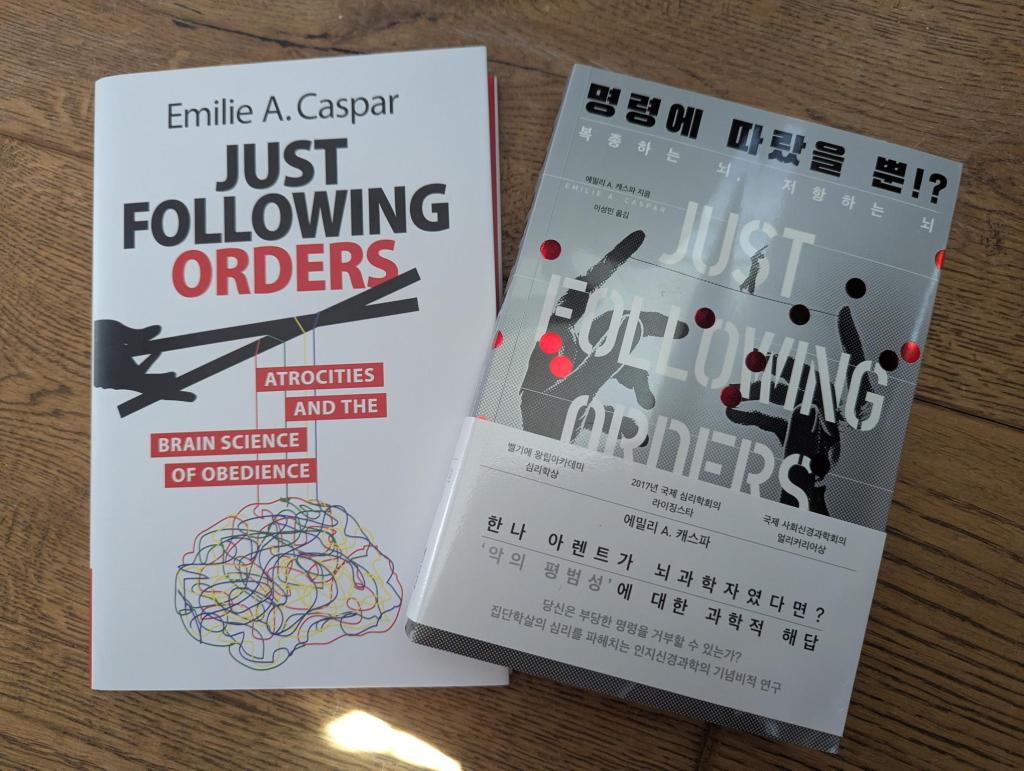
Just Following Orders
Atrocities and the Brain Science of Obedience
- AUTHOR: Emilie A. Caspar, Universiteit Gent, Belgium
xxx

 moralsocialbrain.com